News

Inside Light Pole Manufacturing: The Difference Between Aluminium and Steel

To the average pedestrian, a street light is simply part of the background scenery. It holds a lamp, it lights the footpath, and it disappears into the urban landscape.

But for a civil engineer, a council asset manager, or an urban designer, a Street light pole is a significant structural asset. It is an investment that needs to stand upright against cyclonic winds, resist corrosive salt spray, and house increasingly complex electrical systems for 25 years or more.

For decades, galvanised steel has been the default choice for infrastructure. However, advances in Street light pole manufacturing have shifted the goalposts. Today, extruded aluminium offers a superior alternative that addresses the biggest pain points of steel: rust, weight, and lack of versatility.

In this deep dive, we explore the engineering differences between these two materials and why modern councils are making the switch.

1. The Manufacturing Process: Extrusion vs. Rolling

The fundamental difference lies in how the pole is born.

Steel: The Rolled Method Traditional steel poles usually start as flat sheets of metal. These sheets are rolled into a tapered tube and then welded along the seam. While effective, this process has limitations. The weld line can become a weak point, and the shape is generally limited to simple circles or octagons.

Aluminium: The Extrusion Method At Multipole, we utilise a process called aluminium extrusion. Think of this like squeezing toothpaste from a tube, but with immense pressure and precision. Heated aluminium billets are pushed through a steel die to create a continuous profile.

This allows us to create complex cross-sections—such as our “Multi-Tech” series—that feature internal tracks and separate cavities for wiring. Because the profile is formed in one piece, there are no welded seams along the shaft to weaken over time. This level of intricacy is simply not possible with traditional rolled steel.

See how our Extrusion Technology works.

2. Fighting the Aussie Elements: Corrosion Resistance

Australia is an island nation. With 85% of our population living within 50km of the coast, salt spray is the number one enemy of infrastructure.

The Weakness of Galvanised Steel: Steel relies on a coating to survive. Hot-dip galvanising adds a layer of zinc to protect the steel underneath. It works well—until it doesn’t. If a stone chips the paint, or a delivery truck scratches the surface, the barrier is broken. Rust begins immediately and spreads underneath the coating (known as “cancer”), often undetected until structural failure looms.

The Strength of Aluminium (Alloys 6063 & 6005) At Multipole, we engineer our poles using specific Marine Grade Structural Alloys (6063 & 6005).

Unlike steel, these alloys do not need a coating to survive. When exposed to oxygen, they form a microscopic, hard oxide layer that seals the metal. If the pole is scratched, this oxide layer instantly reforms, effectively “healing” the wound.

This durability is why the global market is shifting. In fact, over 60% of all new Street light poles in Europe are now aluminium—a testament to their superior longevity and lower lifetime cost.

between replacing a rusted steel pole in 7 years versus having an aluminium pole stand strong for 30.

3. Why “Australian Made Street Lights” Reduce Risk

In the current global climate, supply chains are fragile. We have seen how quickly international shipping can grind to a halt.

Relying on imported poles introduces significant risk to construction schedules. If a shipment is delayed at the docks, your entire streetscape project sits idle. Furthermore, quality control can be inconsistent with overseas mass production.

Choosing Australian made street lights mitigates these risks.

  1. Lead Times: Local manufacturing means shorter, more predictable delivery windows.
  2. Spare Parts: Accidents happen. If a driver knocks down a pole in a busy CBD, you cannot wait 12 weeks for a replacement from overseas. A local manufacturer can supply a replacement section in days, restoring safety to the road faster.

4. Weight and Installation Safety (OH&S)

As any Street light pole manufacturer will tell you, the cost of the pole is only half the equation. You also have to pay to install it.

Steel is heavy. Installing a 10-metre steel column often requires a large crane, traffic control to close lanes, and a team of riggers. This adds thousands of dollars to the installation cost and causes major disruption in urban areas.

Aluminium is approximately one-third the weight of steel. A standard aluminium pole can often be lifted by two people or a small hiab truck. This has massive implications for Occupational Health and Safety (OH&S). Lighter loads mean less risk of injury for the installation crew, smaller machinery on-site, and faster installation times.

5. Sustainability: The Green Choice

Sustainability is no longer a “nice to have”—it is a KPI for almost every council tender.

Aluminium is one of the most sustainable materials on the planet. It is infinitely recyclable without losing its properties. In fact, recycling aluminium requires only 5% of the energy needed to produce new aluminium.

Conversely, while steel is recyclable, the energy required to transport heavy steel poles from overseas factories creates a massive carbon footprint. By choosing lightweight, locally extruded poles, you are significantly lowering the “carbon miles” of your project.

Conclusion

When specifying infrastructure, it is easy to copy and paste the specs from the last project. But the technology of Street light pole manufacturing has moved on.

By switching to marine-grade aluminium, you are choosing a material that fights corrosion, protects installation crews, and supports local industry. It is a decision that pays off not just at installation, but for decades to come.

Ready to upgrade your infrastructure specifications? Contact Multipole today to discuss our range of extruded aluminium solutions.


How to Choose Reliable Street Light Pole Suppliers in Australia: A Developer’s Guide

When planning a new urban development, highway upgrade, or public park, lighting often feels like a box-ticking exercise. However, the hardware you choose—specifically the poles themselves—plays a critical role in the long-term safety, aesthetics, and budget of your project.

Choosing between the many street light pole suppliers in Australia can be difficult. With a market flooded with generic imports and new companies popping up overnight, how do you ensure the partner you choose has the longevity to support you?

Whether you are a council planner, a civil engineer, or a landscape architect, selecting the right manufacturing partner is about more than just price—it is about risk management. Here is a guide to identifying reliable suppliers who can meet the unique demands of the Australian landscape.

1. Strict Adherence to Australian Standards Lighting

Australia has some of the harshest environmental conditions on earth. From the cyclonic winds of the north to the blistering UV exposure in the centre, “standard” poles often fail to make the grade.

A reputable supplier must be able to prove compliance with Australian standards lighting codes, specifically AS/NZS 1158 (Lighting for Roads and Public Spaces). This standard is not just a suggestion; it is a critical benchmark that dictates everything from the structural integrity of the pole to how it handles wind loading.

The Risk: Many overseas imports are designed for milder climates. When installed in Australian coastal regions, they may not withstand the specific wind shear factors required by local councils. Always ask your supplier for their specific wind loading data sheets before signing a contract. If they cannot provide data for Australian terrain categories, look elsewhere.

2. Material Quality: Why Marine Grade Aluminium Wins

If your project is anywhere near the coast—which, in Australia, is where 85% of us live—salt spray is your enemy.

Traditionally, galvanised steel has been the default choice for light pole manufacturers. While steel is strong, it is prone to rust if the protective coating is scratched or degrades over time. Once rust sets in, maintenance costs skyrocket, and the structural integrity of the pole is compromised.

At Multipole, we advocate for Marine Grade Aluminium (Series 6000). Unlike steel, aluminium forms a natural oxide layer that prevents corrosion, even in high-salt environments. It is lighter, easier to install, and lasts significantly longer with near-zero maintenance.

Learn more about our Marine Grade Aluminium advantages.

3. Supply Chain Security: The “Local” Advantage

In the construction industry, lead times can make or break a project schedule.

One of the hidden risks of relying on street light pole suppliers who import their stock is the unpredictability of international shipping. A delay at a foreign port can leave your streetscape unfinished for months, holding up handover and payment.

Choosing a supplier with local Australian manufacturing capabilities mitigates this risk. When the product is extruded, assembled, and finished locally, lead times are shorter and more predictable. Furthermore, if a pole is damaged by a vehicle accident years down the track, sourcing a replacement part locally is days away, rather than weeks of waiting for an international shipment.

4. Manufacturing Flexibility: The Estate & 300 Series

No two projects are the same. A heritage precinct requires a completely different aesthetic to a modern housing estate.

Avoid suppliers who only offer “off-the-shelf” solutions. A true light pole manufacturer should offer modular systems that allow you to customise height, colour, and accessories.

Proven Solutions:

  • The Estate Series: Specifically designed for residential subdivisions and parks, offering a sleek aesthetic that blends into the suburb while maintaining strict council compliance.
  • The Multipole 300 Series: The robust workhorse for major roads and highways, engineered to handle heavier loads and higher wind speeds while delivering exceptional durability.

This flexibility ensures that the lighting infrastructure enhances the urban design rather than detracting from it.

5. Future-Proofing: Multipole Smart Pole Integration

We are moving rapidly towards a connected future. Councils are increasingly looking for infrastructure that can double as digital assets. This is where the concept of Multipole smart pole integration comes into play.

When selecting a supplier, ask yourself: Can this pole hold more than just a light?

Reliable suppliers are now designing poles with internal tracks and cavities that can house:

  • 5G Small Cells: Hiding telecommunications gear inside the pole.
  • CCTV Security: Integrating cameras for public safety.
  • IoT Sensors: Monitoring air quality or traffic flow.

Even if your current budget doesn’t allow for smart sensors, installing “smart-ready” poles now saves expensive retrofitting costs down the line. It turns a sunk cost into a future asset.

Explore our Multipole Smart Pole solutions now.

6. Proven Track Record: 45 Years in Business

Finally, nothing speaks louder than history. A trustworthy supplier should be able to point to poles standing in Australian streets that have weathered the elements for decades.

At Multipole, we are proud to be celebrating 45 years in business. While many street light pole suppliers come and go, our longevity is your guarantee. Our history of innovation runs deep—in fact, we designed and manufactured the original Multipole Smart Pole for the City of Sydney ahead of the 2000 Olympics, setting the standard for urban infrastructure decades ago.

 We understand the specific challenges of the Australian climate because we have been manufacturing here for nearly half a century.

Before you decide on a partner, ask: Will this supplier still be around in 10 years to provide spare parts?

A supplier with a 45-year history of successful Australian projects offers peace of mind that a new importer simply cannot match.

View our recent Australian projects.

Conclusion

The cheapest option on the spreadsheet is rarely the cheapest option over the life of the asset. By focusing on Australian standards lighting, superior materials, and a partner with 45 years of experience, you ensure your project delivers value for decades.

Are you looking for trusted street light pole suppliers in Australia? Contact the Multipole team today to discuss whether the Estate Series or 300 Series is right for your next project.

Contact Multipole Today.

First Parramatta Road Smart Poles installed by Inner West Council

The first Parramatta Road poles have been installed in Leichhardt NSW by Inner West Council. These poles are the first of hundreds of pole to be rolled out along Parramatta Road and the surrounding streets over the coming years.

The Parramatta Road poles are capable of supporting large banners and catenaries as well as a range of smart city accessories.

For more information on these recently released poles, visit our Parramatta Road product page.

Multipole Awarded Contract for Smart poles along Parramatta Road

Multipole has secured a contract with a consortium of Sydney Councils including Inner West Council, Cumberland Council, Burwood Council, Strathfield Council, Canada Bay Council and City of Parramatta to supply multi-function smart poles for the Government’s $198 million upgrades planned for Parramatta Road.

The project is part of the NSW Government’s 30-year plan spanning several Sydney council areas including Inner West, Cumberland, Burwood, Strathfield, Canada Bay and Parramatta Council areas and is a major road transport corridor connecting the CBD with Parramatta.

Multipole, part of the Goldspar Group, has been manufacturing and supplying smart city solutions across Australia and overseas including the United Arab Emirates and North America, for 40 years and was the original designer of the smart pole.

“We look forward to working with the councils involved in delivering a consistent, future-proof lighting and smart pole design along the Parramatta Road corridor,” Goldspar Australia Executive Manager Anthony Hayman said.

“The award of this contract follows on from the company’s success in supplying smart poles for award-winning projects in Western Australian like Rockingham Foreshore and Elizabeth Quay as well as South Eveleigh in Sydney and Australian National University”, he added.

Photo Caption: Artist’s impression of how Pyrmont Bridge Road could look in the proposed revitalisation of the Parramatta Road corridor. CREDIT: GREATER SYDNEY COMMISSION

Rockingham Foreshore awarded 2020 WA Landscape Architecture Awards

Congratulations to Place Laboratory (Landscape Architects) and ETC (Electrical Engineering Consultants) on the announcement that Rockingham Beach Foreshore Revitalisation project has won the Award of Excellence in the Tourism category and the Award of Excellence in the Parks and Open Space category at the recent WA Landscape Architecture Awards.

Marine-grade aluminium with striking colour anodising was specified for the bespoke light pole designs to maintain their original beauty in the harsh coastal conditions as well as ease of maintenance including paint graffiti removal.

The Bespoke design, including elegant tapered masts support lighting, CCTV, banners and other technology like weather sensors enhancing the safety and comfort of the community enjoying the new foreshore area.

Visit our Rockingham Foreshore Project page for more information.

Keeping your Project on Track

With restrictions still in place or starting to lift gradually depending where you are located, our towns and cities are starting to return to a new kind of normal. When it comes to keeping your project on track, the delivery of products at the right time can be critical.

Being an Australian owned and operated company for over 40 years, Mulitpole has reliable, local supply and manufacturing capability and has continued to manufacture and supply products to keep our customers working over recent months.  As well as offering the widest range of multifunction poles, we can also provide reliable delivery date estimates so you can keep your project on track.

Please contact us if we can assist you with a quote for Australian made multifunction poles for your project via our request a quote page or calling 02 9997 1211.

Six Insider Tips for Specifying Multi-Function Poles

If you are responsible for specifying smart multi-function poles within your company or government organisation, here are answers to six questions which give you an insight into important aspects you may not have considered.


  1. How easy is it to add accessories in the future?

Councils and Project Managers can plan for what they need today but needs can change in the future.  Councils will benefit if they ensure the smart multi-function poles they specify are future-proofed. That is, accessories and technology that may not be available yet, can be added to existing poles in the future.

The ability to attach additional accessories and functionality in the future largely depends on whether the poles you specify incorporate a track or other similar system.

Accessory tracks allow for installation of accessories on a pole either at the time of installation or at a later date with relative ease.  A track system enables installation of multiple accessories, on multiple sides of the pole and at multiple heights.

Multipole’s unique track system allows the movement of accessories along the full length of the accessory track.  Multipole can supply a comprehensive range of track mounting kits and arms that can be customised for just about any device, even outdoor clocks.

The track system is especially beneficial when fitting accessories like a banner raising system which enables installation and replacement of banners without the use of access equipment, even if there are other accessories already installed.

Some pole designs include bolts along the accessory tracks which inhibit free movement of accessories along the full length of the track. This may prevent the use of a banner raising system. Separate tracks are available to add to these types of poles to enable the installation of additional accessories which require this capability like a banner raising system.

There are poles available where accessories are added to the pole via “stackable” modules. To add functionality at a later date to these poles, a qualified electrician or similar is required to pull the pole apart in order to install the new accessories.  This can be a very expensive and involved process.

The stackable system does not enable the installation of a banner raising system whereby banners can be lowered to an accessible level for replacement because it does not run on a track system which allows the banner to slide along the full length of the pole.


  1. Are all multi-function poles frangible?

Some poles are frangible and some may not be. It depends on what the pole is made of and how it is installed.

Multi-function poles available from Multipole have been proven to be frangible. This was confirmed through tests undertaken on the Multipole 300 Series poles by Northrop Consulting Engineers Pty Ltd based in Sydney, Australia. The test results confirmed that the Multipole 300 Series complies with Lighting Roads and Public Spaces Appendix B as an impact absorbing frangible pole. The test calculations are based on the scenario given in the Vic Roads Specification for the supply of “Frangible Street Lighting Poles”.

Steel poles or aluminium poles with a steel core are not frangible. It is important to note if the poles you are specifying are required to be frangible because of their proximity to the road.  In these situations, you need to ensure the pole you specify is frangible.


  1. Are all multi-function poles waterproof?

IP Rating for Multi-function Aluminium poles:

  •   Multipoles are rated as an IP53 product offering moderate protection against dust and water as per AS 1939:1990 Standards.
  •   An IP56 enclosure (or better) is recommended for sprayed water sealing precautions where poles are installed in Public Parks.
  •   For sensitive electronic equipment used to power WAP and CCTV-type equipment, we recommend containers rated IP65 to IP68


  1. Is a special coating required to prevent rust and corrosion from developing at the base of the pole?

Best practice for all aluminium poles is to coat the base and feet above ground level with Dulux Durebild STE. Barium Chromate should be applied if dissimilar metals are co-joined, for example, aluminium pole with a steel core. This helps to minimise corrosion of the metals due to exposure to the elements.

Steel poles which have been galvanised need to have this coating checked regularly as it can get removed over time if there is vegetation around the base of the pole. The coating is gradually removed by grass trimming equipment like a whipper snipper which leaves the steel exposed to the elements and is then susceptible to rust and corrosion. This coating should be checked regularly to ensure this does not occur.

There is no requirement to regularly check aluminium poles with a clear anodised finish as the finish is not compromised even if it is in an area regularly trimmed with a whipper snipper.


  1. Which finish is easier to maintain and looks best in the longer term?

Based on industry experience, a clear anodised finish for marine-grade aluminium is the most durable and is recommended for heavy-duty environments.  Clear anodising provides protection from extreme weather conditions (including coastal) and also damage like graffiti. With a clear anodised finish, graffiti can be removed using solvent thinners (non-alkaline) ensuring the pole will look its best for its lifetime.

Other finish options available include colour anodising and powder coating in a wide range of colours if you require a particular colour but the clear anodised finish is the easiest to maintain.


  1. Which is more environmentally sustainable? Aluminium or steel?

Aluminium boasts half the carbon footprint of steel delivering environmental sustainability benefits.  Aluminium is 100% recyclable and the recycling process requires 5% of the energy used to create new aluminium, making recycling aluminium highly efficient. Remarkably 75% of the aluminium ever produced is still in use today.

Marine-grade structural aluminium (6000 Series alloys) has the equivalent strength of mild steel but will last up to four times longer with minimal to no maintenance requirements.   These benefits are especially evident in a marine or coastal setting.  Municipalities and local governments have a lot to gain from switching to aluminium smart light poles as they only have to pay for them once in 100 years whereas a steel pole has only a twenty-five year life cycle.

A third of the weight of steel, aluminium poles are less expensive to transport and also install.  Faster installation times using half the labour delivers substantial savings on installation costs for a project.

In addition to being more environmentally sustainable, aluminium boasts superior visual appeal with smooth, sharp lines. It is no surprise that it is the preferred material for architects.

Multipole, Australian owned and operated, offers locally sourced and manufactured marine-grade structural aluminium multi-function poles. Multipole is also certified to ISO 14001:2015 for Environmental Management Systems ensuring the complete manufacturing process complies with ISO 14001 requirements.

Some of our trusted partners

Emergency Electrician Northern Beaches

Concreter Northern Beaches

Electrician Inner West Sydney

Gutter Cleaning Expert 


Lower your Maintenance Costs with New Banner Raising System

Multipole has released the all-new Banner Raising System which allows banners to be installed or maintained without the need for expensive access equipment.

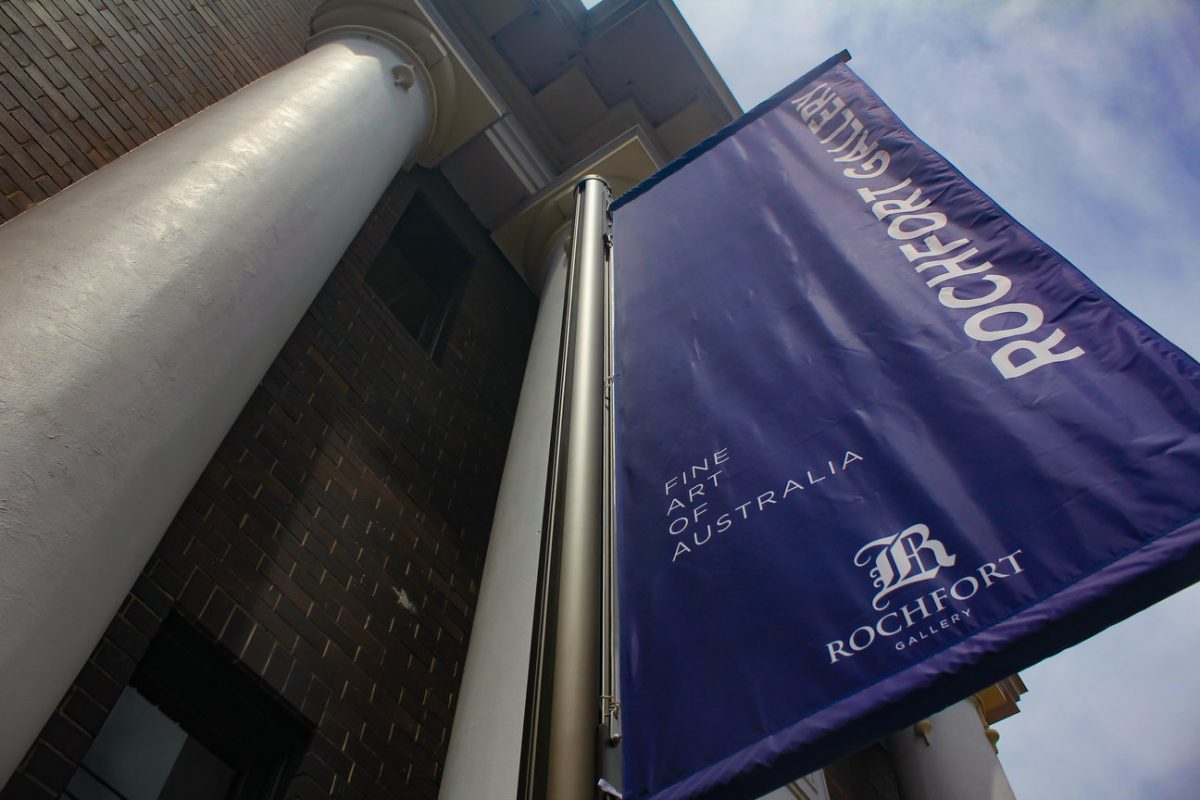
rsz rochfort gallery 168 series3
Banner Raising System installed on Multipole 168 Series in North Sydney.

Banners are increasing in popularity, especially with local councils who use banners for raising community awareness of events. The availability of banner advertising space is also a potential revenue stream for councils.

Replacing banners can require hiring expensive access equipment, not to mention traffic management planning and road closures etc. The new Banner Raising System from Multipole runs on a patented track system. Banners can be easily replaced with low-level access rather than requiring access to the finished height of the banner.

The optional patented braking system prevents the banner from falling unexpectedly during installation or maintenance. If the operator lets go of the rope or the rope fails, the banner raising system locks into place, ensuring the safety of the operator.

The Multipole Banner Raising System can be retrofitted to existing Multipole smart poles or specified in place of a static banner system for improved safety and lower maintenance costs.

Aluminium is the Smart Choice for Smart Cities

Aluminium is rapidly becoming the preferred material for poles specified for Smart Cities in Australia as well as globally. The popularity of aluminium is due to several factors including superior longevity, reduced installation and maintenance costs and environmental sustainability benefits of aluminium over traditional steel poles.

rsz mona vale pool solar poles 002
Aluminium was the natural choice for bespoke solar poles at Mona Vale Beach pool.

Marine-grade structural aluminium (6000 Series alloys) has the equivalent strength of mild steel but will last up to four times longer with minimal to no maintenance requirements.   These benefits are especially evident in a marine or coastal setting.  Municipalities and local governments have a lot to gain from switching to aluminium smart light poles as they only have to pay for them once in 100 years whereas a steel pole has only a twenty-five year life cycle.

A third of the weight of steel, aluminium poles are less expensive to transport and also install.  Faster installation times using half the labour delivers substantial savings on installation costs for a project.

Aluminium boasts half the carbon footprint of steel delivering environmental sustainability benefits.  Aluminium is also 100% recyclable and recycling requires 5% of the energy used to create new aluminium, making recycling aluminium highly efficient. Remarkably 75% of the aluminium ever produced is still in use today.

Aluminium is available in a range of finish options, including durable anodising or powder coating in a wide range of colour options to suit any project specifications.  It is worth asking what material is being specified for the smart poles in your next project.